
I
Cellular aging
Mitochondria, senescence pathways, and peptides investigated for energy, resilience, and cellular longevity.
Longevity Science · Peptide Research Institute
ÆTERNUM LABS is a United States–based research institute dedicated to the scientific study of peptides in human longevity — cellular aging, metabolism, tissue repair, and resilience. We map mechanism, ground every entry in published literature, and uphold research-grade rigor.
↓ Scroll to enter the institute
01 — Longevity Science
Human longevity research is no longer only about lifespan statistics. It is about cellular energy, metabolic remodeling, tissue integrity, immune resilience, sleep architecture, and the molecular signals that decline with age.
Peptides sit at the center of that frontier. ÆTERNUM LABS studies that science with seriousness: mechanism first, published literature second, and an honest map of what evidence supports — and what remains open.
Mitochondria, senescence pathways, and peptides investigated for energy, resilience, and cellular longevity.
Incretin-axis and exercise-mimetic research linking metabolism, body composition, and healthy aging trajectories.
Tissue repair, immune modulation, sleep and neuro pathways — systems that shape how organisms age.
02 — The Institute
ÆTERNUM LABS is a United States–based peptide research institute focused on longevity science. We study how selected peptides interact with aging biology — documenting mechanism, research axis, and published literature so the field advances on evidence, not hype.
Every peptide is framed by its role in aging research: metabolic, mitochondrial, repair, GH axis, neuro, or immune.
Mechanisms and findings are grounded in published science — from landmark journals to emerging preclinical models.
Built for scientists, laboratories, and longevity researchers. No clinical dosing guidance. No consumer wellness claims.
United States · Longevity Research
ÆTERNUM LABS operates as a U.S.-based research laboratory with presence in the Cambridge, Massachusetts biotech corridor — where molecular science, translational research, and aging biology converge. That proximity is intentional: longevity science demands the same rigor as any serious biomedical field.
Our mission is not to sell hope. It is to document and study the peptides redefining how researchers approach human longevity — with intellectual honesty, analytical discipline, and a permanent focus on what the literature actually shows.
03 — Scientific Research
At ÆTERNUM LABS, every peptide is studied as a window into aging biology. We connect laboratory practice with published literature so researchers can follow what is known about mechanism, what trials have measured, and where longevity science still has open questions.
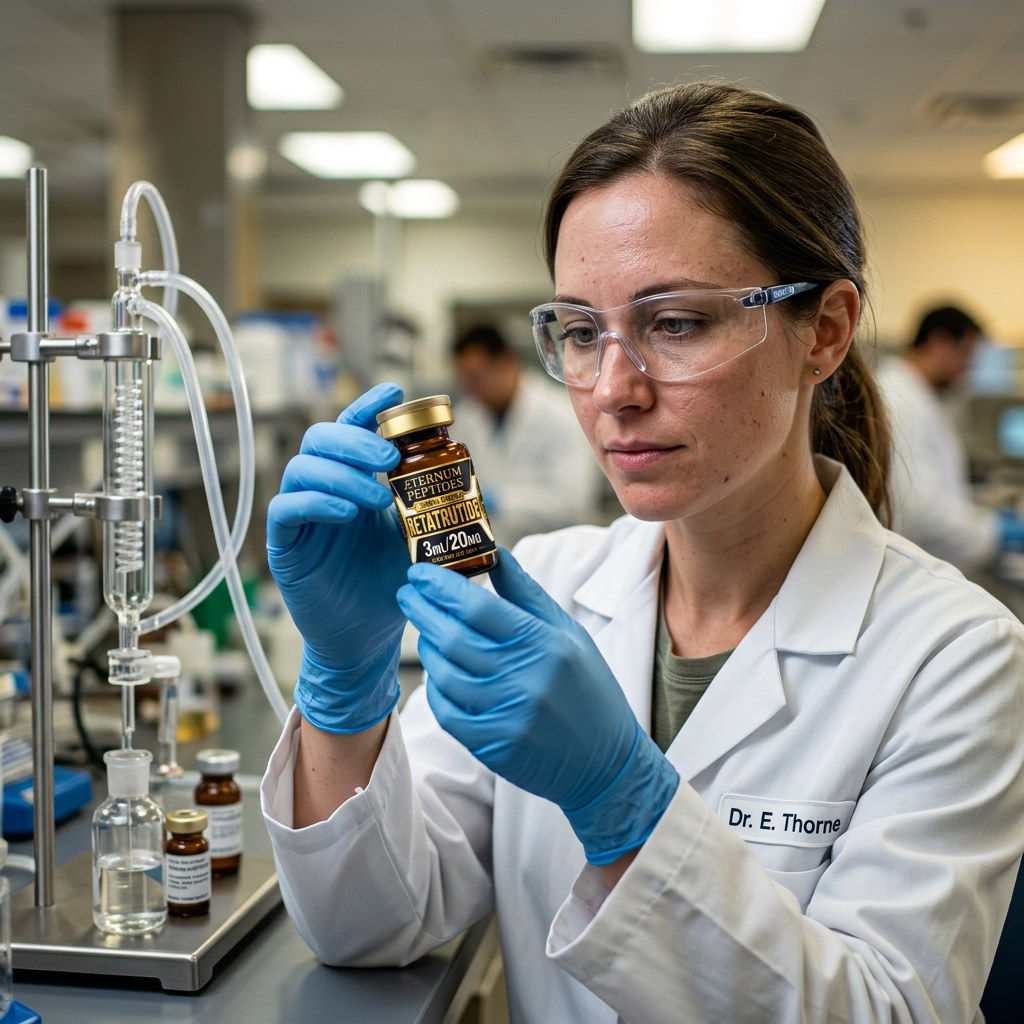
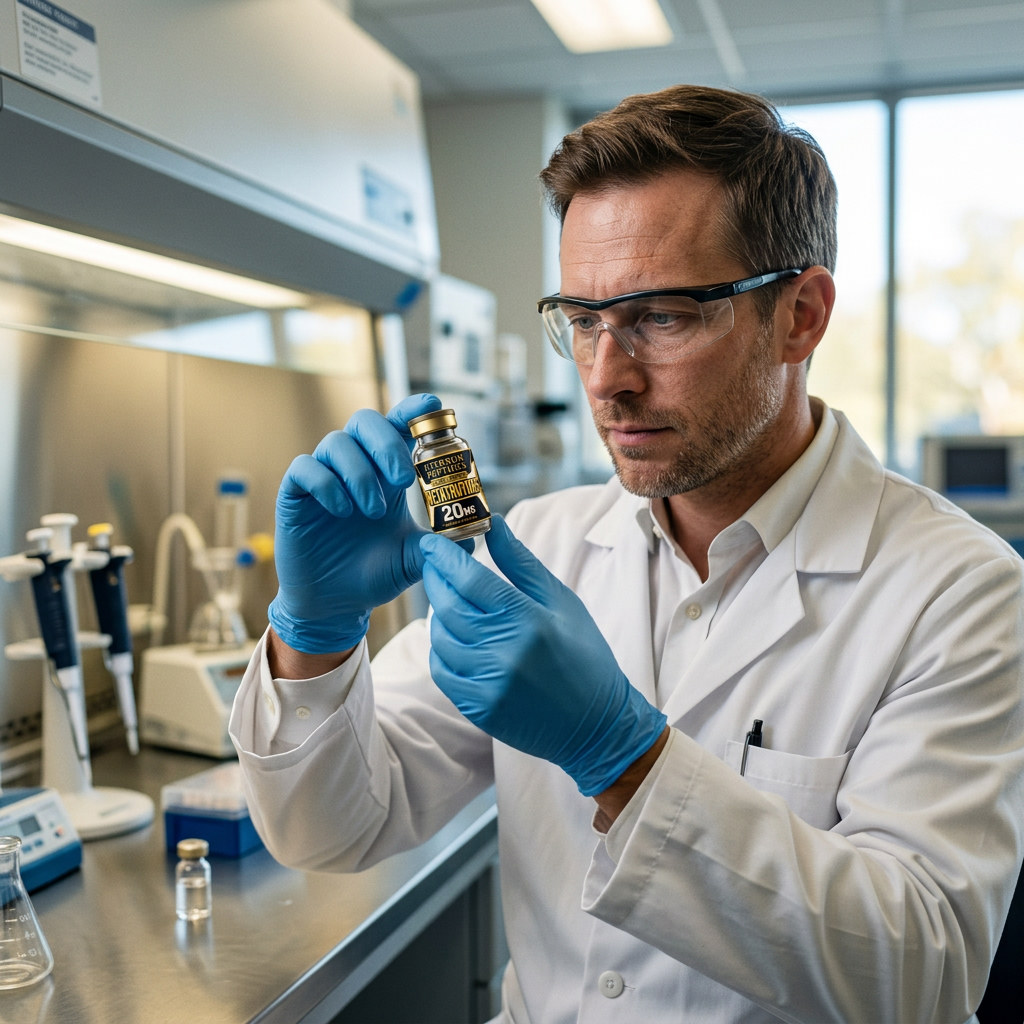
Findings drawn from peer-reviewed longevity and biomedical research — NEJM, Lancet, Cell Metabolism and related journals — framed as science, never as protocols.
Each peptide is placed on a longevity evidence ladder: cellular models, animal aging studies, early human data, robust clinical literature.
For scientists and longevity laboratories. No human dosing guidance. No anti-aging marketing claims.
04 — Longevity Peptide Library
Each entry is a longevity research molecule: internal code, biological axis, and a concise scientific profile. Explore pathways from metabolic remodeling and mitochondrial signaling to tissue repair, GH-axis research, neurobiology, and immune resilience.

Triple GIP/GLP-1/glucagon receptor agonist studied for metabolic remodeling and body composition.

Synthetic ERRα/β/γ agonist studied as an “exercise mimetic” for mitochondrial biogenesis.

Mitochondrial-derived peptide involved in mitochondria-to-nucleus signaling and insulin sensitivity.
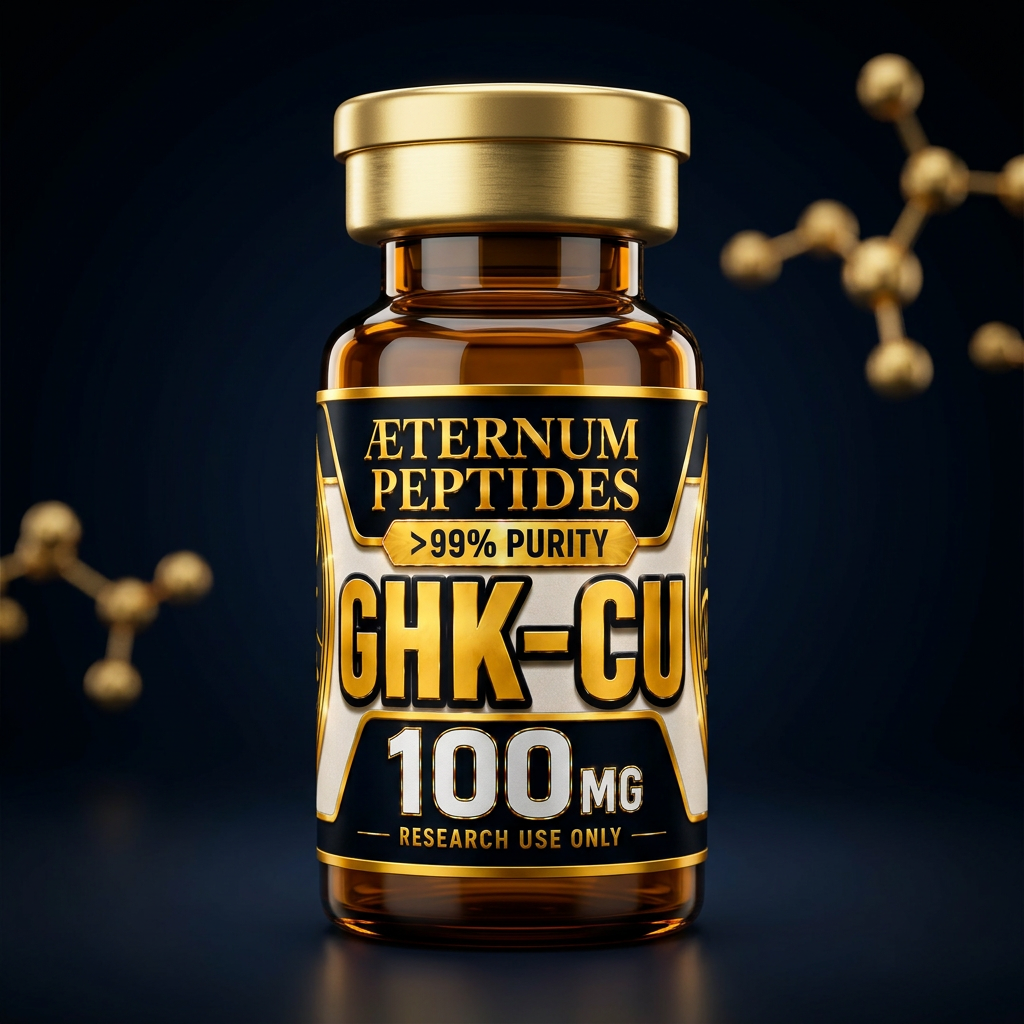
Naturally occurring copper peptide studied for ECM remodeling and collagen synthesis.

Mitochondria-targeted peptide studied for cardiolipin interaction and bioenergetics.

Peptide studied in senolytic research for selective clearance of senescent cells via FOXO4–p53 disruption models.
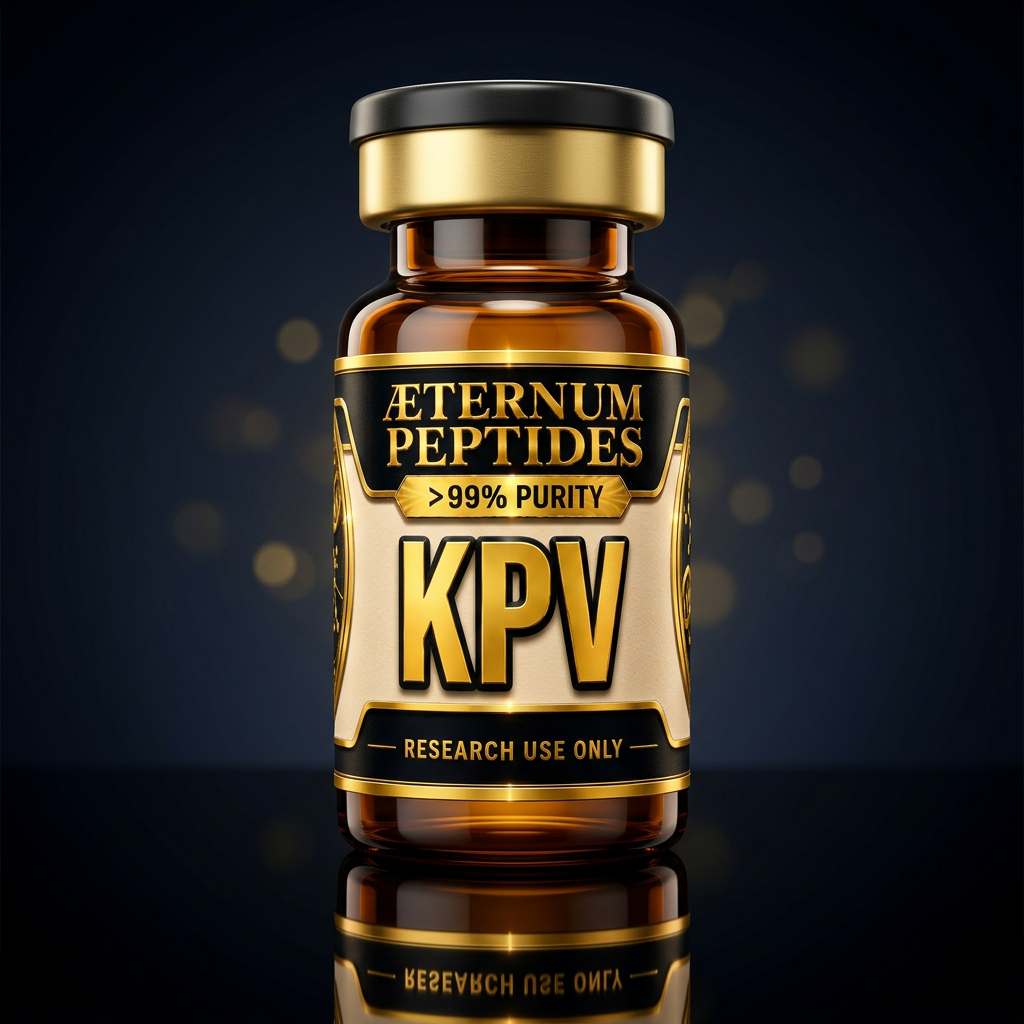
C-terminal α-MSH tripeptide fragment studied for anti-inflammatory activity via NF-κB.
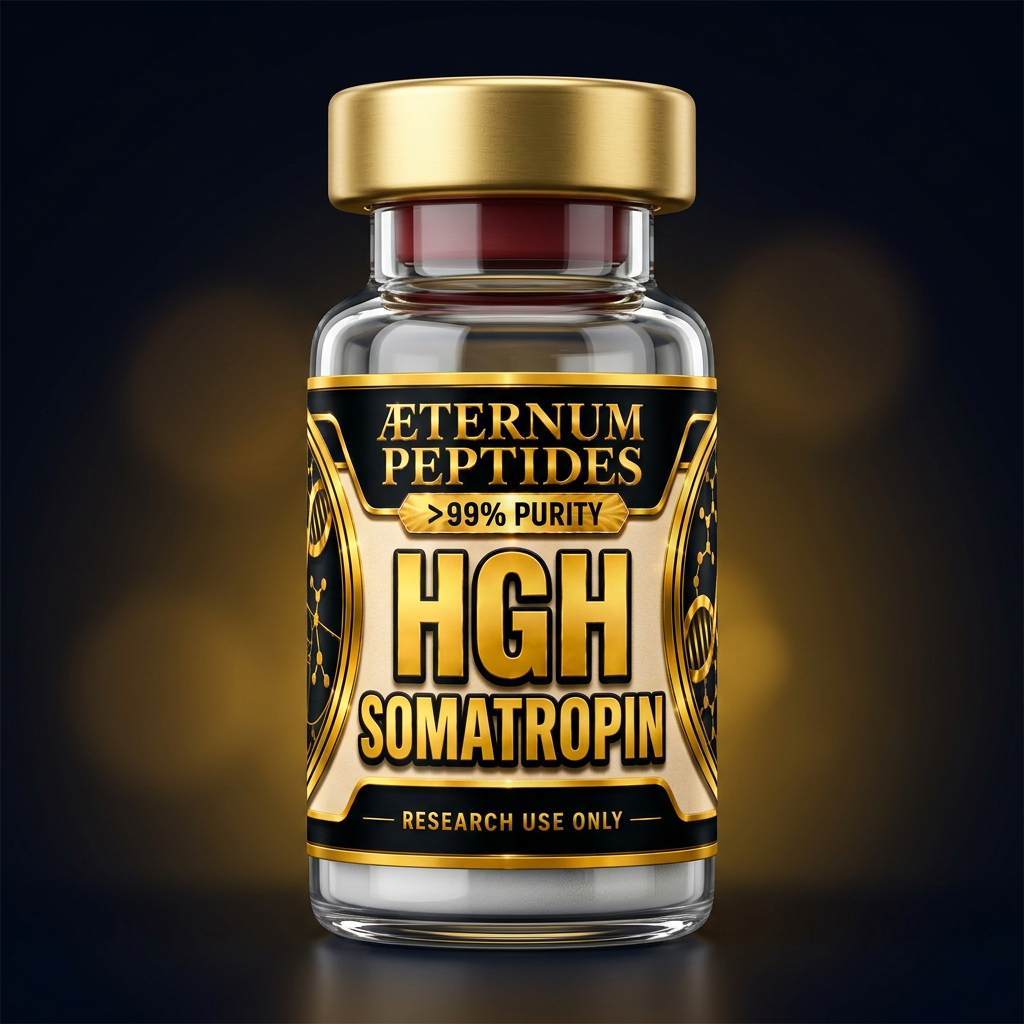
Recombinant human growth hormone — reference compound for GH-axis signaling research.

GHRH analog studied for pulsatile GH secretion and visceral fat research programs.

Gastric-derived pentadecapeptide widely studied in tissue repair and intestinal integrity models.

Synthetic fragment associated with cell migration and repair models.

Synthetic tetrapeptide referenced in telomerase / epigenetic aging research.
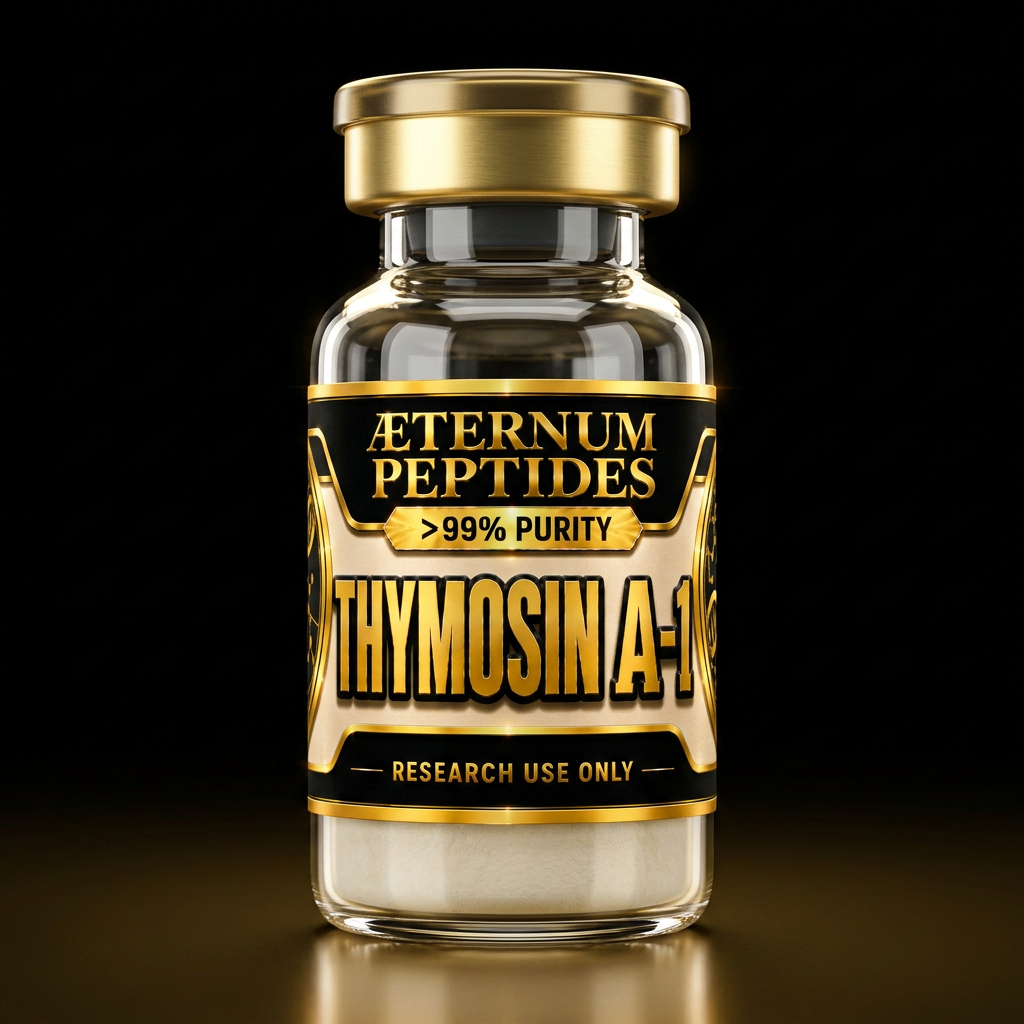
Thymic peptide studied for immune modulation and T-cell function.

Russian-origin peptides studied in anxiety and cognitive function models.

Delta Sleep-Inducing Peptide studied in relation to deep-sleep architecture.
No peptides in this longevity axis.
05 — Longevity Dossiers
Each dossier explains how the peptide is studied in aging and biomedical research: mechanism, longevity-relevant pathway, evidence tier, and what published literature has documented so far — paraphrased for scientists, never as usage instructions.
Longevity claims require evidence tiers — popularity is not science.
Triple agonist of the GIP, GLP-1, and glucagon receptors (Eli Lilly compound LY3437943). Among the most clinically advanced metabolic molecules of its generation.
Phase 2 programs published in the New England Journal of Medicine and The Lancet documented substantial body-weight reductions and improved glycemic markers in type 2 diabetes contexts. A Nature Medicine substudy examined liver fat in metabolic disease. Presented here as research findings — not consumer advertising.
Late-stage clinical programs continue; framing remains Research Use Only on this archive.
Synthetic agonist of nuclear receptors ERRα/β/γ, described in the literature as an exercise mimetic — a molecule studied for pharmacologically echoing metabolic adaptations normally induced by aerobic exercise.
Published research reports increased mitochondrial biogenesis, fatty-acid oxidation, and improved insulin sensitivity in diet-induced metabolic models. Structure–activity relationship work continues to map analogs for selectivity and metabolic stability.
Evidence is predominantly preclinical; human trial density is not yet comparable to incretin-class agents.
Mitochondria-encoded peptide from a short open reading frame within 12S rRNA — one of few known peptides with this origin. Acts on AMPK-axis biology via folate-cycle signaling, with skeletal muscle as a primary target tissue.
Landmark work in Cell Metabolism links MOTS-c to retrograde mitochondria-to-nucleus signaling. Animal studies demonstrate protection against age- and diet-related insulin resistance.
Translational human programs remain emerging relative to the strength of mechanistic and animal data.
Tripeptide naturally present in human plasma; concentrations decline significantly with age. Documented for decades in tissue-regeneration literature.
Controlled comparisons with vitamin C and retinoic acid report favorable collagen-related outcomes for GHK-Cu in topical research settings. Reviews discuss metalloproteinase modulation, angiogenesis, and extracellular matrix remodeling.
Much of the densest human literature is topical/regenerative; systemic research contexts differ.
Tetrapeptide engineered to enrich in the inner mitochondrial membrane and interact with cardiolipin — a phospholipid essential to electron transport chain architecture.
Among the rare mitochondrial peptides with substantial human clinical investigation: aging bioenergetics, Barth syndrome, heart failure, and age-related macular degeneration research programs. Mechanistic literature describes interactions relevant to mitochondrial membrane transport.
Indication-specific programs vary in maturity; not all research axes have equivalent trial density.
FOXO4-DRI is a research peptide designed to interfere with the FOXO4–p53 interaction in senescent-cell models. In published preclinical work, disrupting this interaction has been studied as a strategy to induce apoptosis preferentially in senescent cells while sparing non-senescent populations in certain experimental systems.
Preclinical literature in aging and cellular senescence models examines FOXO4-related interventions as part of the broader senolytic research axis. Evidence remains primarily at cellular and animal-model density; translational human programs are not established at the level of robust multi-trial clinical literature.
Human evidence is limited. Present here strictly as a research-literature entry — not as a therapeutic claim or usage guidance. Research Use Only.
C-terminal fragment of α-MSH (positions 11–13). Literature describes retained anti-inflammatory activity without classic pigmentary effects, via receptor-independent NF-κB pathway inhibition.
Preclinical studies report activity in animal models of colitis, dermatitis, and airway inflammation.
Human clinical density remains limited compared with larger immunomodulatory peptides.
Recombinant human growth hormone, sequence-identical to endogenous GH. The longest-standing reference point in GH-axis research.
Decades of clinical literature address protein synthesis, body composition, bone density, and lipid metabolism via the GH/IGF-1 axis. Included here strictly as a scientific reference compound for the axis — not as a consumer product.
Regulated medicine in many jurisdictions; this archive does not provide clinical-use guidance.
Synthetic analog of human GHRH, modified for resistance to DPP-IV degradation, studied for stimulatory action on pulsatile GH secretion.
Phase 3 programs underpin its regulatory history. Literature documents visceral adipose and metabolic endpoints; additional lines of work explore cognitive endpoints and liver fat in specific populations (including work associated with Archives of Neurology and The Lancet HIV).
Present strictly in research-literature framing; not dosing or clinical advice.
Fifteen–amino-acid peptide derived from a protective protein in gastric juice. Extensively studied in preclinical tissue-repair research.
More than fifty published studies span ulcer healing, intestinal barrier integrity, and tendon/muscle repair models. Reviews note consistent protective signals across multiple gastrointestinal injury paradigms.
Human evidence remains limited relative to the density of animal literature — stated here as scientific honesty.
Synthetic fragment related to the actin-binding region of Thymosin Beta-4. Core documented mechanism: G-actin sequestration with downstream effects on cell migration and angiogenesis.
Parent TB4 literature is denser in corneal and skin contexts; cardiac and musculoskeletal models are largely preclinical. Scoping reviews map heterogeneous evidence quality across tissues.
Do not conflate fragment research with full-length TB4 clinical programs.
Synthetic tetrapeptide Ala-Glu-Asp-Gly associated with the Khavinson bioregulation lineage; frequently referenced in telomerase-activation discussions.
Human cell-line work reports effects on telomerase activity and telomere length in aged cells. Long-term rodent work from originating groups documents lifespan-related endpoints.
Evidence base historically concentrated in Russian literature, with limited independent Western replication to date.
Twenty-eight–amino-acid peptide originally isolated from the thymus; studied extensively for immune response modulation and T-cell function.
Approved as thymalfasin/Zadaxin in multiple countries for chronic hepatitis and as an immune adjuvant. Clinical literature includes severe infection contexts and oncology-adjuvant investigation.
Jurisdiction-specific medicinal status does not change the Research Use Only framing of this general archive.
Complementary pair: Selank acts with a GABA-related anxiolytic profile in models; Semax, derived from an ACTH fragment, is studied for rapid BDNF elevation.
Journal of Neurochemistry work documented increased BDNF in rodent basal forebrain after Semax administration. Broader literature includes cerebral ischemia models. Regional clinical traditions should not be equated with global Phase 3 density.
Distinguish regional use history from multi-region, multi-trial evidence standards.
Nonapeptide first linked to increased delta-wave EEG activity in classic isolation studies — associated with deep, restorative sleep architecture in research descriptions.
Literature since the 1970s explores neurotransmitter modulation (GABA, serotonin, dopamine), anticonvulsant models, and recovery paradigms after experimental stroke.
Avoid sleep-product marketing tone; historical observation is not modern Phase 3 proof.
06 — Scientific Rigor
If peptides are to inform the science of aging, identity and purity cannot be optional. ÆTERNUM LABS follows a four-step analytical path so every research material is treated with laboratory discipline.
Sequence-defined production under controlled parameters — the starting point for research-grade peptides.
Isolation of the target peptide for longevity research, with removal of byproducts and residues.
Identity confirmed against theoretical mass — essential when studying aging-related mechanisms.
Certificate of Analysis and chain of custody for qualified longevity research partners.
Reading Longevity Evidence
A longevity claim is only as strong as its evidence tier.
Research Collaboration
ÆTERNUM LABS opens research access, scientific dossiers, and analytical documentation to longevity researchers, laboratories, and institutional partners studying peptide biology and human aging. Direct scientific collaboration — not a consumer signup.
research@aeternumlabs.science
Headquarters
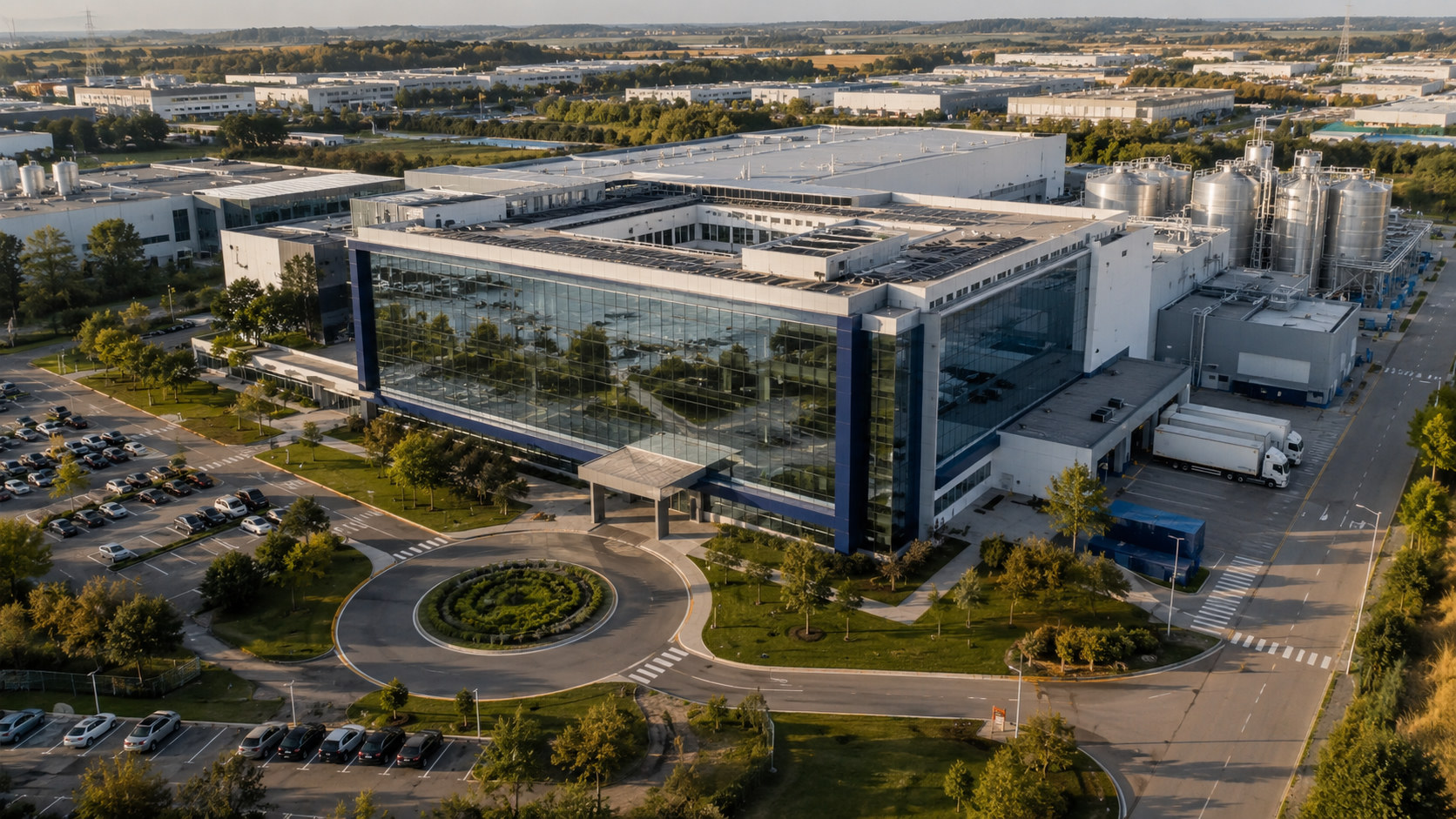
ÆTERNUM LABS
300 Pier 4 Blvd.
Boston, MA 02210
United States